We work in the tradition of Structural Integration

in the spirit of
Dr. Ida P. Rolf's ideas

What is Structural Integration?

Structural Integration, developed in the tradition of Dr. Ida P. Rolf, is a form of manual therapy that focuses on reorganizing and balancing tensions in the body’s myofascial system through hands-on work with soft tissue—primarily fascia.

Structured as a series of ten progressive sessions, this method aims to improve body mechanics, movement coordination, posture, and body awareness. Each session addresses a specific structural and functional aspect of the body, supporting a gradual realignment of body segments for more efficient movement and integration within the gravitational field.

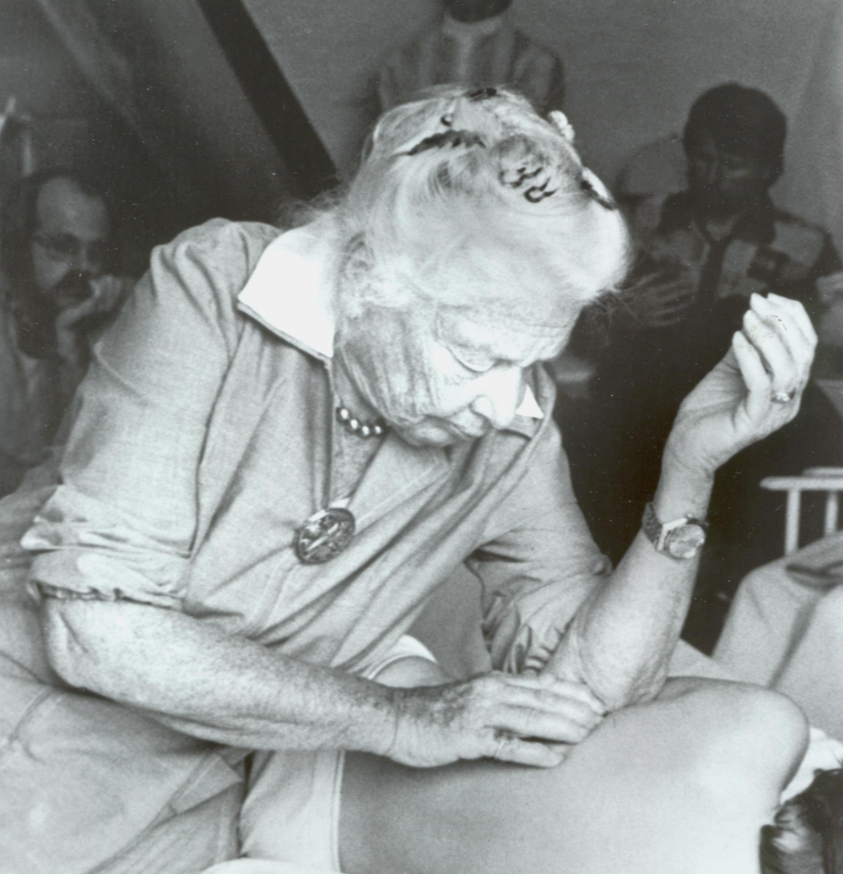
Ida Rolf

Benefits of Structural Integration:

• Long-term change in posture and body functioning
• Teaching the body good habits — how to stand, walk, and sit in a healthy way
• Reduced feelings of stress and fatigue
• Relief or complete resolution of chronic pain and discomfort
• Enhanced body awareness
• Faster recovery from injury or physical trauma
• Increased vitality and sense of aliveness
• Teaches us to pay attention to the body, which helps in living with ADHD and PTSD symptoms

Who is it for?

• Those seeking relief from chronic pain or tension
• Athletes, dancers, and movement professionals
• Older adults experiencing stiffness or reduced mobility
• Younger individuals wanting to improve posture
• People seeking a deeper connection with their body and greater self-awareness
• Individuals undergoing trauma therapy or somatic work 

Ida Rolf

The approach is based on the premise that by changing patterns of tension in the fascia, we can bring about lasting improvements in the overall function of the body—physically and psychosomatically.


As Dr. Rolf explained:


This is a technique that aims to organize and order the body — to bring muscles back to where they theoretically belong.
It’s part of a process that helps a person feel more effective, more efficient, better organized and coordinated — because they are in the gravitational field, accepting it, working in it and with it, instead of fighting it as the average, unintegrated (random) body has to do.


Ida Rolf explains the Principles of Structural Integration:

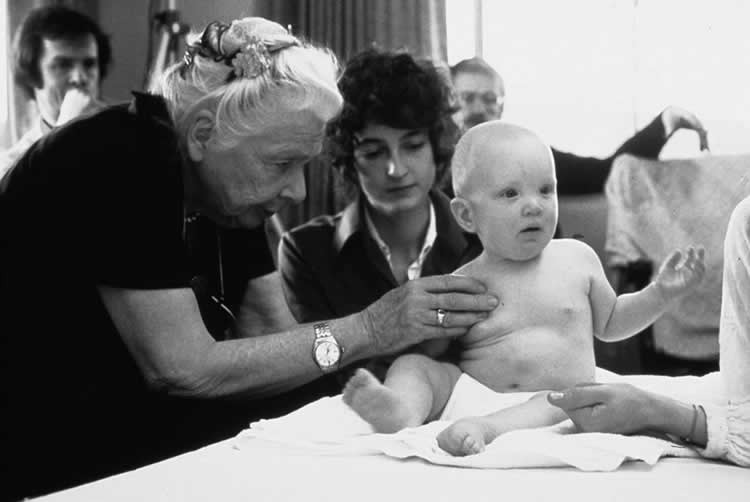
Who Was Dr. Ida P. Rolf?

Born in New York City in 1896, Ida P. Rolf earned her Ph.D. in biochemistry from Columbia University in 1920. She spent over a decade conducting research at the Rockefeller Institute, publishing extensively in the Journal of Biological Chemistry. In 1926, she went to Europe to study mathematics and quantum physics in Zurich, homeopathy in Geneva, and biochemistry at the Pasteur Institute in France.

Rolf collaborated with osteopaths (including Amy Cochran) and was familiar with the work of osteopathy’s founder, Dr. A.T. Still. Her reflections and approach took shape during the turbulent times of World War II.

From a pivotal personal experience, Rolf concluded: if we want to change how a person functions, we must change their brain chemistry—but to change the chemistry, we must start with the physical structure. She believed that when the joints of the body function better, the whole system improves—physically, emotionally, and spiritually.

The work of her life, Structural Integration, commonly known as Rolfing™, or more precisely, a specific protocol for working with the human body that she called the Recipe, was developed thanks to her scientific background in biochemistry, osteopathy, yoga and the Alexander Technique practice and the philosophies of Alfred Korzybski and George Gurdjieff. She also formed a friendly relationship with Moshe Feldenkrais, with whom she exchanged experiences and ideas.

In the 1960s, Gestalt therapy founder Fritz Perls invited her to teach and conduct research at the Esalen Institute in California—a hub for holistic approaches to human development.
Drawing on her scientific and embodied wisdom, Rolf was among the first to recognize the fascia’s key role in human structure, perceiving the body as an interconnected web of tissues in constant relationship.

Dr. Ida Rolf passed away in 1979 in Pennsylvania. 
About us

We practice Structural Integration in the tradition of Dr. Ida P. Rolf. We were trained at the European Guild for Structural Integration (EGSI) — a school founded on the principles established by first-generation Rolfers Peter Melchior, Emmett Hutchins, and Neal Powers, all personally trained by Dr. Rolf. They form the foundation of our lineage, and all of our senior instructors were originally their students. EGSI continues to explore Dr. Rolf’s original method, without incorporating elements from other bodywork modalities.

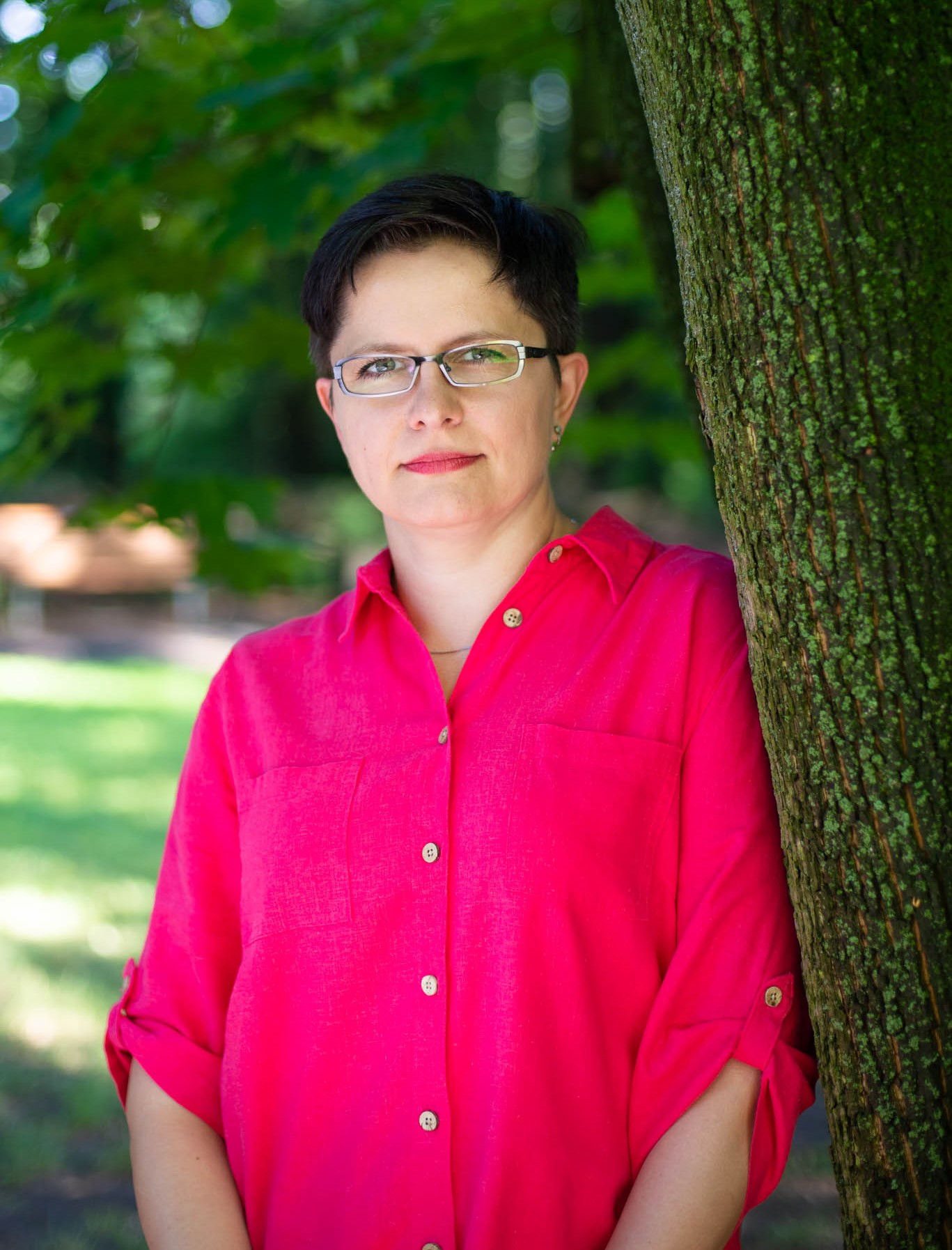
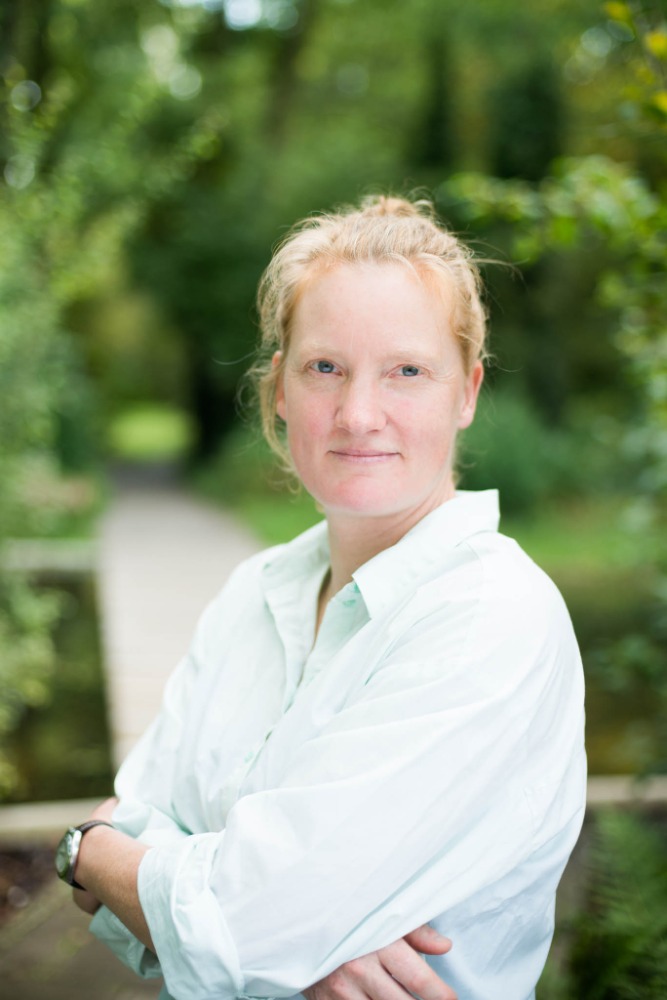
Joanna Kaczynska
Joanna Kaczyńska

I am a certified massage therapist and a graduate of the Post-Secondary School of Sports Medicine in Warsaw. I completed my clinical training at the Rehabilitation Clinic Carolina Medical Center in Warsaw.

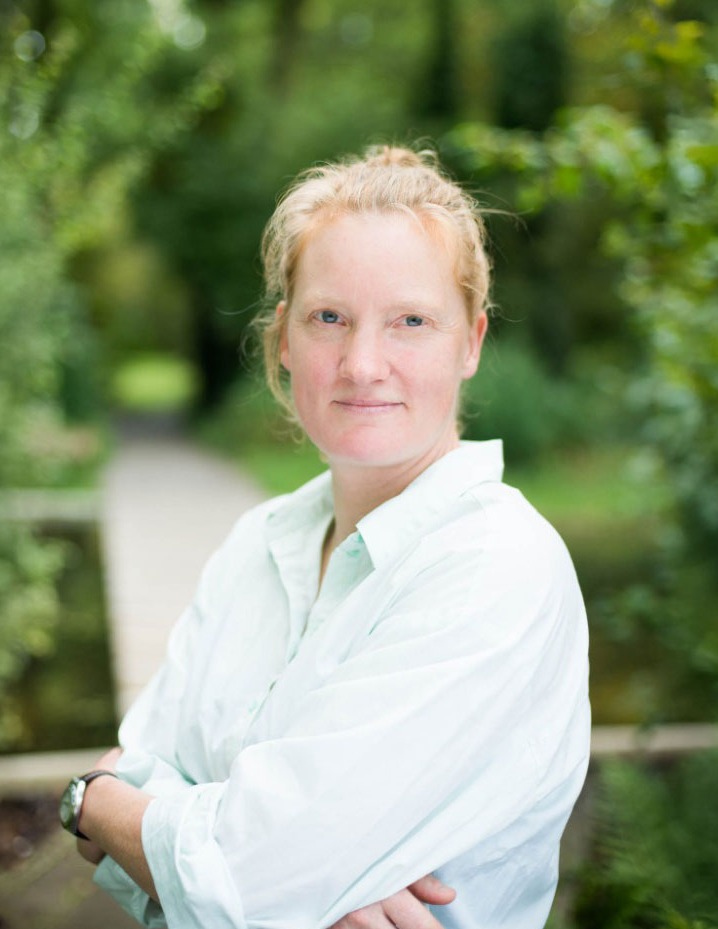
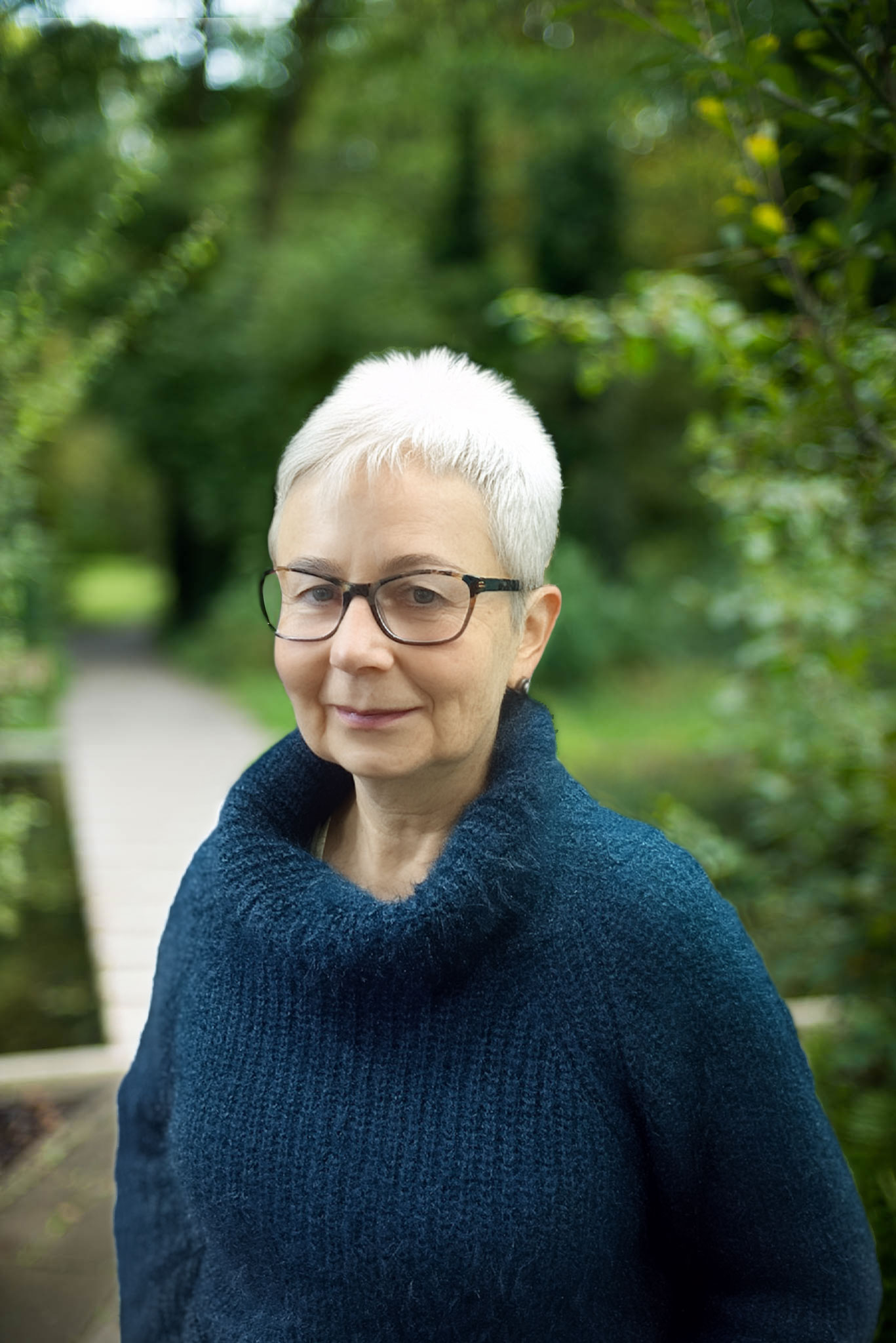
Tamara Mieloch
Tamara Mieloch

I have been a certified Structural Integration practitioner since 2018 and a graduate of the first EGSI training held in Poland. I’m also a member of the Polish Association for Structural Integration.

Tamara Mieloch
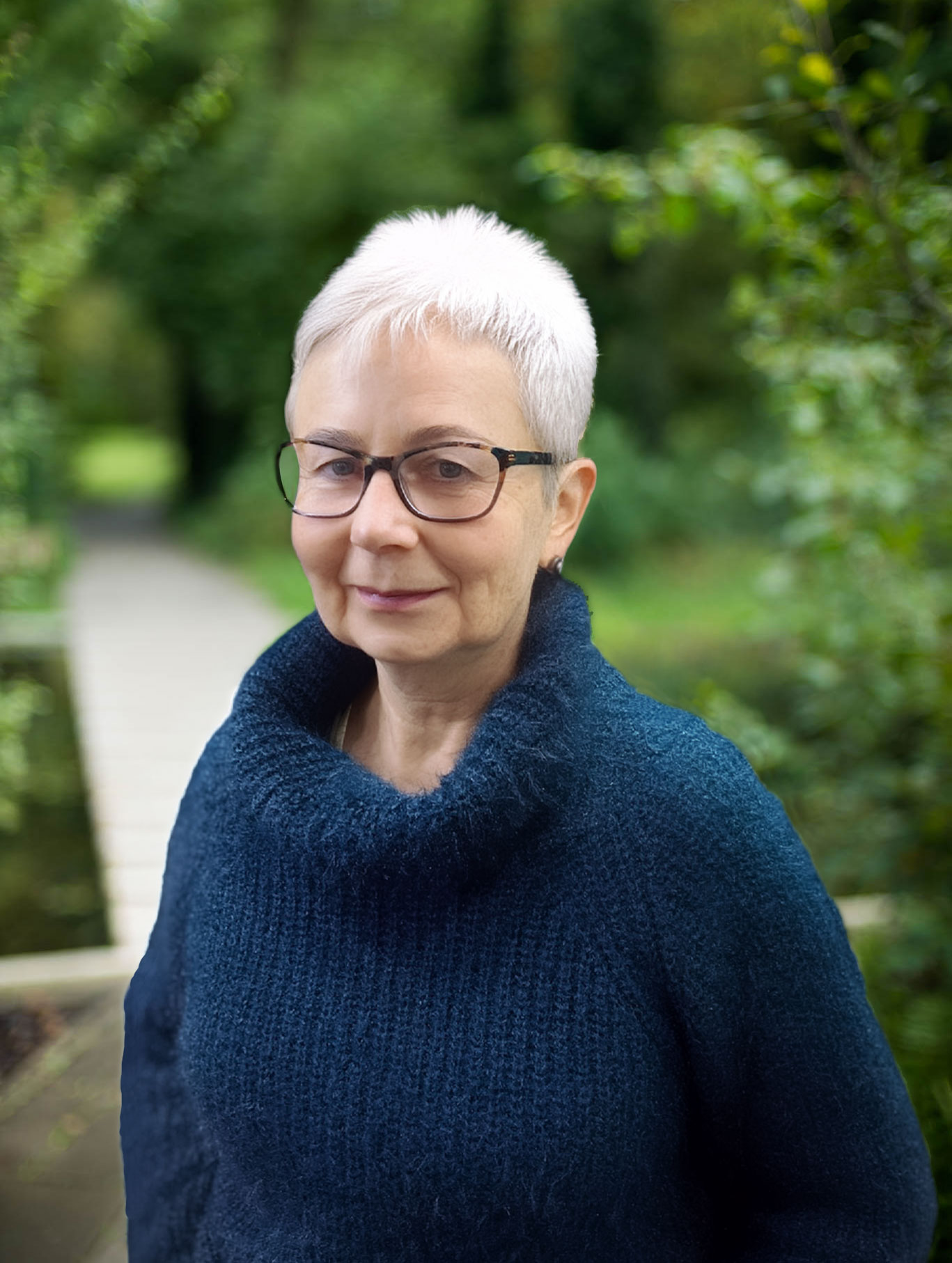
Anna Litkie

I have been practicing bodywork therapy since 1995. I hold a Structural Integration therapist certificate in the tradition of Dr. Ida P. Rolf, a Shiatsu therapist certificate from the International School of Shiatsu, and a Biodynamic Craniosacral Therapy certificate from the International School for Biodynamic Craniosacral Therapy. 

Frequently Asked Questions

1. Don’t come right after a heavy meal or intense workout—leave about a 1-hour gap.

2. Don’t apply lotion or cream to your body.

3. Wear comfortable underwear:
men: briefs or fitted boxer briefs — avoid loose boxers;
women: a bra without a halter-neck closure or a two-piece swimsuit.

4. The first session lasts approximately 75 minutes. We’ll start with a conversation about your current condition, previous injuries, accidents, or surgeries.

1. First trimester of pregnancy

2. Fresh, unhealed wounds and fresh post-surgical scars

3. Active infections

4. Fever

5. More serious conditions should be under medical supervision (e.g., hypertension, rheumatoid arthritis, etc.).

Some areas of the body may feel painful. At the start, you and the practitioner will agree on the level of discomfort you’re willing to work with, and you’ll stay in ongoing communication.

1. Light ambulation (e.g. a short walk) is recommended immediately post-session

2. Same-day: low-intensity exercise is acceptable; avoid high-load/high-intensity training—your body and nervous system need time to adapt to the changes

3. A session is not recommended a few days before a competition; it’s better to wait and have it about a week after the event.

Spacing is important—this is when your fascia adapts to the changes. Minimum 1 week, maximum 4 weeks.

1. A break of several months (a consolidation period is recommended (at least 3 months), adjusted individually — „after 10 sessions the body is like freshly poured concrete; keep children and dogs away” as Peter Melchior said.

2. After that, you can continue with:
— three "maintenance"/ "booster" sessions every few months, or
— five "advanced" sessions every few months, or
— repeating the ten-session series after a minimum of 12 months.

rolfresearchfoundation.org
Ida P. Rolf Research Foundation

PTIS
Polskie Towarzystwo Integracji Strukturalnej
EGSI
European Guild For Structure Integration
IASI
International Association Of Structural Integrators

You may reach us by SMS or email; we will respond or return your call.

Joanna Kaczyńska

tel.: +48 781 414 246
e-mail: joanna.integracjastrukturalna@gmail.com
ul. Elektoralna 26 lok. 31, Warszawa

Tamara Mieloch

tel.: +48 515 595 179
e-mail: tam.mieloch@gmail.com
https://www.integracja-strukturalna.pl
ul. Elektoralna 26 lok. 31, Warszawa

Anna Litkie

tel.: +48 501 184 441
e-mail: alitkie@gmail.com
ul. Warecka 11 m. 30, Warszawa

Structural Integration Center
in Warsaw

© Copyright 2025-2026 ISWC - All Rights Reserved